Toilet Supply Line Failures in Aliso Viejo Condos and Townhomes: Plastic Nuts, Braided Hoses and When to Replace Them
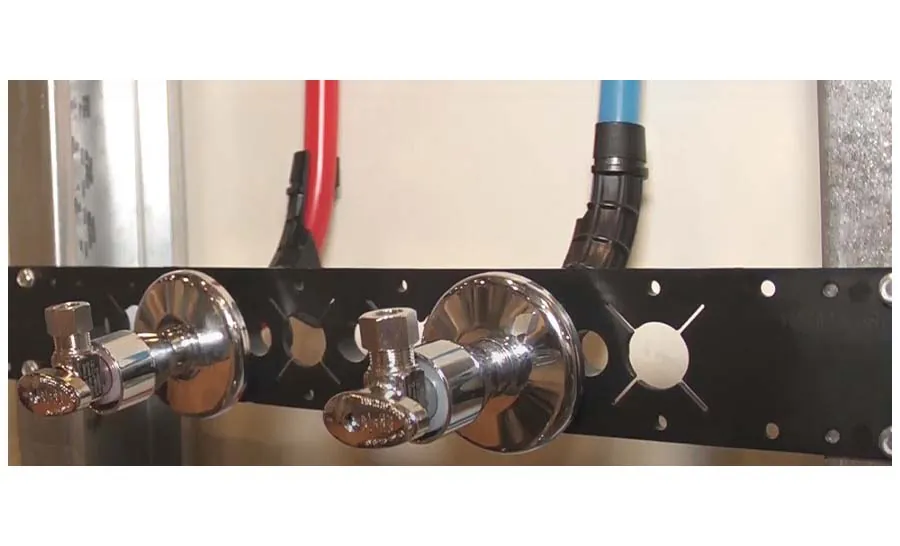
The short hose behind your toilet is one of the most common causes of water damage in stacked homes. How these lines fail, how long they last, and what to install…
Aliso Viejo is full of condos and townhomes, many built in the late 1980s and 1990s around Pacific Park, Glenwood, Westridge and the communities along Aliso Creek. In homes that share walls, ceilings and floors, a small part can cause a big problem. The toilet supply line, the short flexible hose between the wall valve and the toilet tank, is near the top of the list.
Why such a small part matters
That hose is under full household water pressure all day, every day. When it lets go, it does not drip. It sprays. A failure in an upstairs unit can soak the floor, run through the ceiling and into the unit below within minutes. In a single-family house the damage stays in your home. In a stacked building it becomes your neighbor's problem too, and often an HOA and insurance discussion.
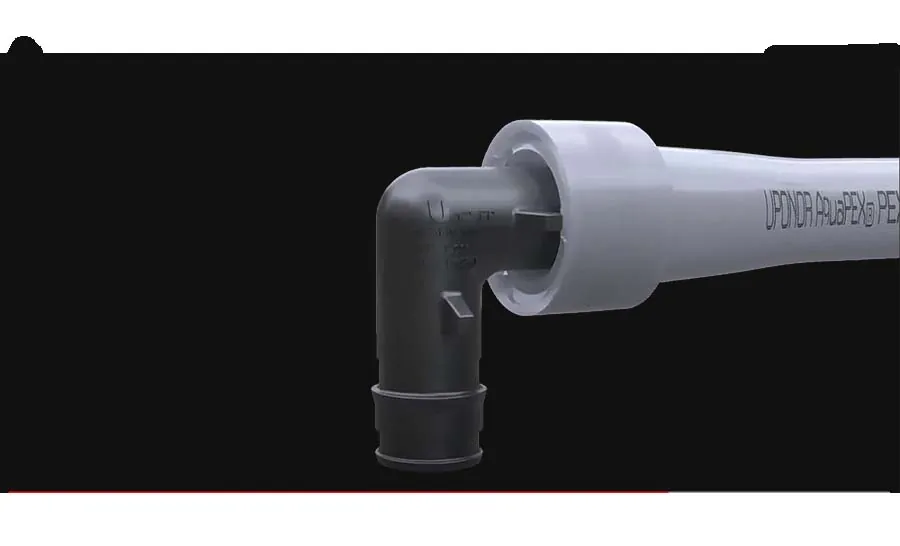
How supply lines fail
- Cracked plastic coupling nuts. Many older lines use a plastic nut at the toilet end that becomes brittle with age and can crack, especially if it was overtightened.
- Worn braided hoses. Stainless braided lines have a rubber or plastic tube inside. Over time the tube can weaken, and individual wires can fray or corrode, often from cleaning products stored nearby.
- Kinked or stretched hoses. A line that is too short or bent tight puts stress on the ends.
- Old solid lines. Some original installs used rigid chrome or plastic tubing that cracks at the compression fitting.
- Bad valves. A corroded angle stop can leak at the stem or refuse to shut off when you need it.
How long do they last?
Many manufacturers suggest replacing flexible supply lines every five years or so, and sooner if you see bulging, rust spots or fraying. They are inexpensive, which makes regular replacement easy insurance.
What to install
- A braided stainless line with metal coupling nuts at both ends.
- The right length, so the hose hangs in a gentle curve without kinks.
- A new quarter-turn angle stop if the old multi-turn valve is stiff or weeping.
- Hand-tight plus a small turn, never cranked down hard on the tank fitting.
Check your other hoses too
The same weak points show up on faucet supply lines, the dishwasher connection, the ice maker line and washing machine hoses. If one is old, the rest likely are too.
When a repipe makes sense
If your condo still has its original copper and original stops, and leaks keep showing up at fixtures, a repipe replaces everything from the unit shutoff forward, including new stops and supply lines at every fixture. Aliso Viejo requires a permit for repiping, and most associations need advance notice for work that touches shared walls or ceilings. We coordinate both.
Related reading
See what is involved in a condo or townhome repipe, and learn whether you can live at home during a repipe. Neighbors can visit Laguna Niguel, Laguna Hills and Laguna Beach, or see every city at repipeinc.com.
Want your supply lines and stops checked?
We will inspect every fixture connection and replace the ones close to failing. Get my free quote. Our AI system alerts a technician instantly, so you get a fast callback.
Repipe OC, 23821 Hillhurst Drive, Laguna Niguel, CA 92677, (949) 524-2362, CSLB #1087885 C-36.
Repipe OC near you
Not in Aliso Viejo? The same crew serves nearby cities. See every city we serve, or jump to a neighboring city:
 Written by Repipe OC · CSLB #1087885 C-36 · 23821 Hillhurst Drive, Laguna Niguel, CA 92677 · (949) 524-2362